Autumn 2017

Coroners, inquests and your responsibilities

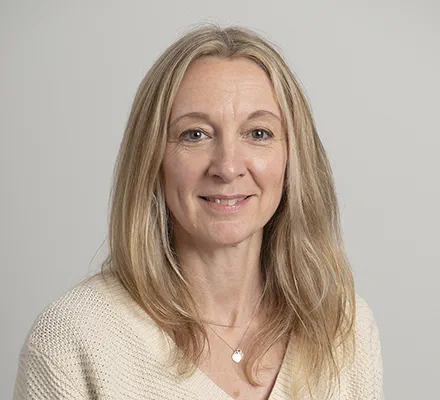
440X400 Kathryn Leask 23 Higher Res
When you're a junior doctor on a busy ward, you will find yourself called upon to discuss patient deaths with the coroner and occasionally attend an inquest. Dr Kathryn Leask explains the process.
ad label

coroners inquests banner 1

ad label

coroners inquests banner 2

Include as much information as possible and make sure your report is not false or misleading, and does not miss out any relevant information.

An appearance at any court is understandably stressful, so the more prepared you are the better.

This page was correct at publication on 21/09/2017. Any guidance is intended as general guidance for members only. If you are a member and need specific advice relating to your own circumstances, please contact one of our advisers.

Dr Kathryn Leask
Medico-legal adviser BSc (Hons) MBChB (Hons) LLB MA MRCPCH FFFLM RCPathME DMedEth

Kathryn has been a medico-legal adviser with the MDU since 2007 and is a team leader, trainer and mentor in the medical advisory department. Before joining the MDU, she worked in paediatrics gaining her MRCPCH in 2002 and holds a CCT in clinical genetics. She has an MA in Healthcare Ethics and Law, a Bachelor of Law and a Professional Doctorate in Medical Ethics. She is also a fellow of the Faculty of Forensic and Legal Medicine and has previously been an examiner and deputy chief examiner for the faculty. Kathryn is currently a member of the faculty’s training and education subcommittee and a member of the Royal College of Pathologists (medical examiner).