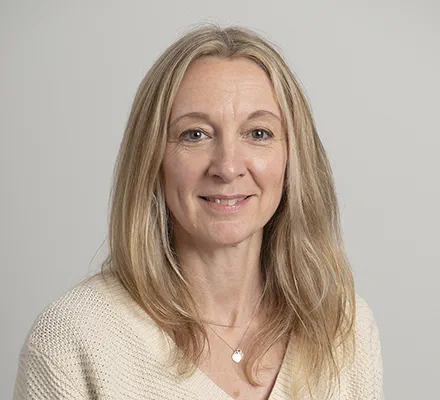
Dr Kathryn Leask
Medico-legal adviser BSc (Hons) MBChB (Hons) LLB MA MRCPCH FFFLM RCPathME DMedEth
Kathryn has been a medico-legal adviser with the MDU since 2007 and is a team leader, trainer and mentor in the medical advisory department. Before joining the MDU, she worked in paediatrics gaining her MRCPCH in 2002 and holds a CCT in clinical genetics. She has an MA in Healthcare Ethics and Law, a Bachelor of Law and a Professional Doctorate in Medical Ethics. She is also a fellow of the Faculty of Forensic and Legal Medicine and has previously been an examiner and deputy chief examiner for the faculty. Kathryn is currently a member of the faculty’s training and education subcommittee and a member of the Royal College of Pathologists (medical examiner).